Strengthening Cooperation and Interaction through Seamless Remote Communication Systems in Meeting Spaces
Wiki Article
Remote communication platforms have changed the way companies hold discussions and group activities. Advanced telepresence systems allow participants to communicate efficiently across various locations, bridging geographical barriers that historically restricted team interactions. High-quality sound and video technology provides that conversations are not only understood but also clearly displayed, which assists teams sustain attention and involvement. By integrating these solutions into conference rooms, companies can simulate physical meetings, allowing virtual teamwork more natural. Furthermore, systems frequently include tools such as screen sharing, document annotation, and interactive boards, which improve the ability to develop joint initiatives in real-time.
The design of a conference room assumes a important part in the success of remote systems. Optimal visual setup, acoustics, and chair placement add to a more effective virtual experience. For illustration, balanced illumination minimizes dark spots and improves video quality, while acoustic treatments limit noise and interference, enhancing audio quality. Ergonomic seating and thoughtfully arranged workspaces enable team members to stay focused during longer sessions. These room elements, combined with advanced systems, establish a setting that supports full engagement and consistent engagement.
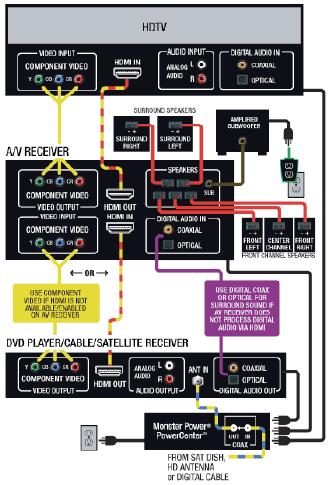
User-friendly telepresence platforms depend on easy-to-use features and intuitive controls. When participants can quickly control meetings, change presentation modes, or present materials without issues, discussions advance more efficiently. Training and guidance are important, as even the most modern systems will underperform if users are uncertain about their operation. Companies often create protocols for remote discussions, outlining best practices for starting meetings, sharing content, and facilitating contributions from all attendees. These guidelines ensure active participation and reduce interruptions during team meetings.
Integration with other software platforms enhances virtual systems in discussion areas. For case, synchronizing solutions with workflow platforms, digital repositories, or messaging tools permits participants to Get More Info access resources quickly and update information in real time. Collaborative features like joint work areas, instant surveys, and chat functions enhance full participation, making sure that virtual and local team members engage equally in projects. These linkages strengthen operational performance, reduce redundancies, and ensure coordination among team members, regardless of their physical location.
Ultimately, businesses that implement high-quality platforms obtain tangible benefits in both cooperation and participation. Groups experience higher satisfaction levels, quicker resolutions, Visit This Link and better project outcomes when interaction is seamless and participatory. By combining sophisticated platforms, strategic room layouts, intuitive user experiences, and software linkages, organizations create an setting where team members remain involved, aware, and motivated to contribute. Eventually, these enhancements produce enhanced teamwork, increased creativity, and a more productive organizational culture in total.